
Welcome!
For decades, second-home buyers in Europe gravitated toward familiar destinations—southern France, coastal Italy, or the Spanish costas. But over the past few years, something has shifted.
Buyers are looking for better value, less saturation, and more upside—and increasingly, they’re finding it in Montenegro.
What was once considered a hidden gem is now firmly on the radar of savvy investors and lifestyle buyers alike. But this isn’t just a trend, it’s the result of several powerful factors coming together at the right time.
For decades, second-home buyers in Europe gravitated toward familiar destinations—southern France, coastal Italy, or the Spanish costas. But over the past few years, something has shifted.
Buyers are looking for better value, less saturation, and more upside—and increasingly, they’re finding it in Montenegro.
What was once considered a hidden gem is now firmly on the radar of savvy investors and lifestyle buyers alike. But this isn’t just a trend, it’s the result of several powerful factors coming together at the right time.
Montenegro offers something that’s becoming increasingly rare in Europe: authentic Mediterranean living without the premium price tag.
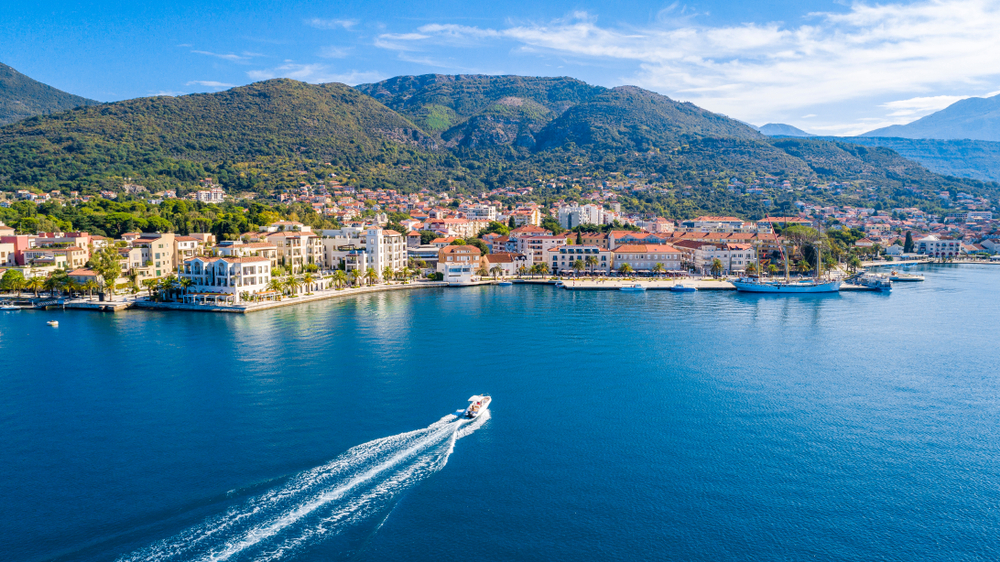
Along the coast, you’ll find the kind of scenery that rivals the best of southern Europe, dramatic mountains dropping into the Adriatic, medieval towns, and calm, clear waters. Places like Tivat have evolved into modern, marina-focused hubs, while historic locations such as Kotor retain their timeless charm.
Yet despite this, property prices remain significantly lower than in more established markets. Buyers who may have been priced out of Western Europe are discovering they can afford frontline sea views or luxury apartments here, often at a fraction of the cost.
One of Montenegro’s biggest advantages is that it feels accessible, but not overdeveloped.
You can land at an international airport such as in Tivat or Podgorica and reach the coast within a short drive. Major European cities are just a few hours away by plane, and nearby hubs like Dubrovnik make the region even more connected.
At the same time, Montenegro has avoided the over-tourism seen in other Mediterranean hotspots. This balance is incredibly appealing to second-home buyers who want vibrancy during the season—but peace and authenticity the rest of the year.
Unlike purely seasonal destinations, Montenegro offers a lifestyle that works year-round.
Summers are lively and social, with beach clubs, sailing, and outdoor dining. But spring and autumn bring a quieter, more relaxed atmosphere, ideal for longer stays. Even winter has its appeal, particularly for those who enjoy nature, hiking, or simply escaping harsher northern climates.
For many buyers, this flexibility is key. A second home here isn’t just for holidays—it becomes a place you can genuinely spend extended time in, or even transition to full-time living.
Another factor driving demand is confidence. Montenegro is increasingly viewed as a market with momentum.
Its ongoing alignment with the European Union, improving infrastructure, and rising international profile all contribute to a sense that the country is moving forward. For buyers, that creates a compelling mix: a destination that already offers lifestyle benefits, but still has room for growth.
This is particularly attractive to those thinking long-term—not just about enjoying a second home, but about how that asset may perform over time.
Q: Is Montenegro suitable for a second home year-round?
A: Yes—while summer is the peak season, many owners use their properties throughout the year thanks to the mild climate and slower off-season pace.
Q: How does Montenegro compare to traditional Mediterranean markets?
A: It offers similar natural beauty and lifestyle, but with lower entry prices and less market saturation.
Q: Is there strong rental potential for second homes?
A: In coastal areas, particularly, yes. Many owners offset costs through seasonal rentals.

